f.a.q.
You have questions. wE have answers.
Have questions about helical piles, house lifting, or structural inspections? Below are answers to some of the most common questions we receive about our services, process, and what to expect when working with Innovative Construction.
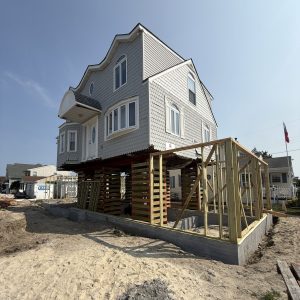
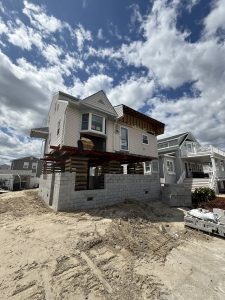
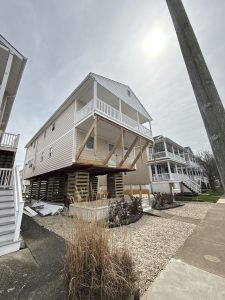
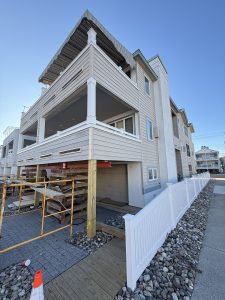
Elevating a coastal home is a proactive strategy to protect your property from storm surges and rising sea levels. Beyond physical safety, lifting your house to meet or exceed the Base Flood Elevation (BFE) can lead to a substantial reduction in National Flood Insurance Program (NFIP) premiums. It also increases the long term resale value of your home by ensuring it meets modern coastal building codes.
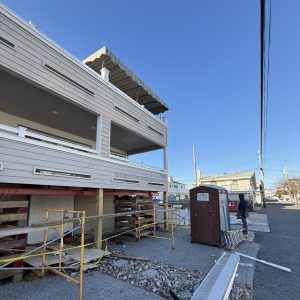
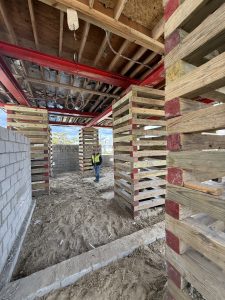
The physical act of raising the structure often takes only a day or two using our unified hydraulic jacking system. However, the entire project, including the disconnection of utilities, the construction of a new foundation or pilings, and the final reconnection of services, generally spans several months.
Helical piles are high strength steel shafts with screw-like flights (helices). They are mechanically rotated into the ground until they reach a soil layer with the necessary load bearing capacity. For coastal NJ, they are an ideal deep foundation solution because they do not rely on soil friction alone, but rather on the end bearing capacity of the helices in stable soil strata.
Yes, several federal and state programs, such as the Hazard Mitigation Grant Program (HMGP) and Flood Mitigation Assistance (FMA), provide funding to help homeowners elevate their primary residences. These grants are typically administered through your local municipality.
You should seek an inspection if you notice signs of settlement, such as interior drywall cracks, doors that no longer latch, or sloping floors. Additionally, an inspection is vital before purchasing a coastal property, after a significant storm event, or when planning a major home renovation.