
Why a Structural Inspection Is So Important
Whether you’re purchasing a home, preparing for renovations, recovering from storm damage, or simply looking for peace of mind, a structural inspection is one of the smartest investments you can make.
The structure is the backbone of your home. Cosmetic updates can hide issues — but they won’t fix them. Identifying structural concerns early can prevent costly repairs, protect property value, and ensure the safety of everyone inside.
Why Early Detection Matters
Structural problems rarely fix themselves. Minor cracks can turn into major movement. Hidden pile deterioration can compromise an entire structure.
Early detection can:

When Should You Get a Structural Inspection?
Buying a Home
A general home inspection is important — but it may not fully evaluate structural integrity. A dedicated structural inspection focuses specifically on the components that keep the home stable and secure.
This is especially critical if:
- Floors feel uneven or sloped
- You see cracks in walls, ceilings, or foundations
- Doors and windows stick
- The home is elevated or built on pilings
- The property is located in a coastal or flood-prone area
- The home has undergone lifting or structural modifications
-
A structural inspection provides clarity before closing and can give you leverage in negotiations if repairs are needed.
Before Renovations or Removing Walls
Planning to remove a wall? Add an addition? Install new beams?
A structural inspection ensures:
- Load-bearing walls are properly identified
- Beam sizing and support requirements are correct
- The foundation can support additional loads
- All work complies with building codes
Skipping this step can result in major structural corrections later.
After Storms, Flooding, or Settlement
Storm surge, shifting soil, water intrusion, and time can all impact structural stability. Even when damage isn’t obvious, underlying issues may exist — especially in elevated or pile-supported homes.
For Peace of Mind
If something feels “off,” it’s worth having it evaluated. Confidence in your home’s structural integrity is priceless.
What’s Included in a Structural Inspection?
Foundation Evaluation
We begin by examining the foundation to identify any signs of instability or moisture intrusion that could impact the structure.
Our inspection may include:
- Visible cracks, settlement, or displacement
- Bowing or shifting foundation walls
- Signs of water or moisture intrusion
- Condition of footings and support piers
Foundation Evaluation
We begin by examining the foundation to identify any signs of instability or moisture intrusion that could impact the structure.
Our inspection may include:
- Visible cracks, settlement, or displacement
- Bowing or shifting foundation walls
- Signs of water or moisture intrusion
- Condition of footings and support piers
Framing & Load-Bearing Components
Properly functioning framing is essential to the structural stability of any building.
During inspection we evaluate:
- Load-bearing walls
- Structural beams and headers
- Posts and support columns
- Fastening methods and structural connections
Framing & Load-Bearing Components
Properly functioning framing is essential to the structural stability of any building.
During inspection we evaluate:
- Load-bearing walls
- Structural beams and headers
- Posts and support columns
- Fastening methods and structural connections
Elevated & Lifted Home Assessment
For homes that have been elevated or lifted, we also evaluate how the structure has been re-supported.
This assessment includes:
- Support beam configuration
- Connection hardware and structural anchors
- Proper load transfer to the foundation or pilings
- Evidence of structural movement following lifting
Pilings & Deep Foundation Systems
(For Elevated Home)
For homes supported by timber, concrete, or steel pilings, we perform a specialized inspection to evaluate the condition and alignment of the deep foundation system.
This includes checking for:
- Visible deterioration, cracking, or settlement
- Alignment and plumb condition of pilings
- Connections between piles and framing
- Signs of rot, marine borer damage, or corrosion
- Structural capacity concerns
Pilings & Deep Foundation Systems
(For Elevated Homes)
For homes supported by timber, concrete, or steel pilings, we perform a specialized inspection to evaluate the condition and alignment of the deep foundation system.
This includes checking for:
- Visible deterioration, cracking, or settlement
- Alignment and plumb condition of pilings
- Connections between piles and framing
- Signs of rot, marine borer damage, or corrosion
- Structural capacity concerns
What You Receive
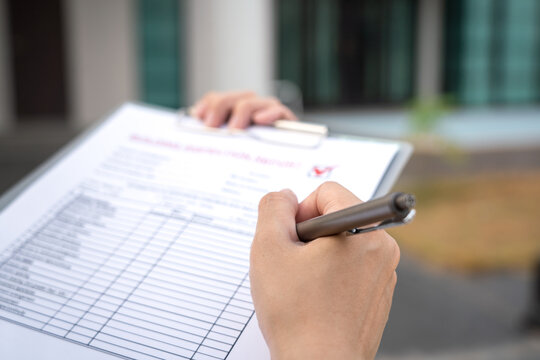
After the inspection, you’ll receive:
- A detailed written report
- Photographs documenting findings
- Clear explanations of structural conditions
- Recommendations for repairs (if needed)
- Guidance on urgency and next steps
Our goal is not to create alarm — it’s to provide clear, honest information so you can make informed decisions.
Invest In Confidence
Your home likely represents your largest investment. A structural inspection ensures that investment rests on a solid foundation — whether it’s concrete, steel, or pilings. If you’re buying, renovating, rebuilding, or simply want assurance that your home is structurally sound, a professional inspection gives you the clarity and confidence you deserve.