
What Is Fill Replacement?
At our company, fill replacement is one of the most important ground-improvement techniques we perform. Simply put, fill replacement involves removing weak, unsuitable, or unstable soil and replacing it with engineered structural fill that can properly support buildings, roadways, utilities, and other infrastructure.
This process ensures that the ground beneath a structure is stable, compacted, and capable of carrying design loads without excessive settlement or failure.
Why Fill Replacement Matters
The performance of any structure starts with the soil beneath it. If poor soils are left in place, they can lead to:
- Uneven settlement
- Cracking foundations
- Structural movement
- Utility line damage
- Premature pavement failure
- Costly repairs
By replacing unsuitable soils with properly compacted structural fill, we create a stable foundation platform designed to meet engineering specifications and long-term performance requirements.
Why Simply Adding Fill Is Sometimes Necessary
In some projects, full soil removal isn’t required—but adding engineered fill is still critical.
Elevation & Flood Protection
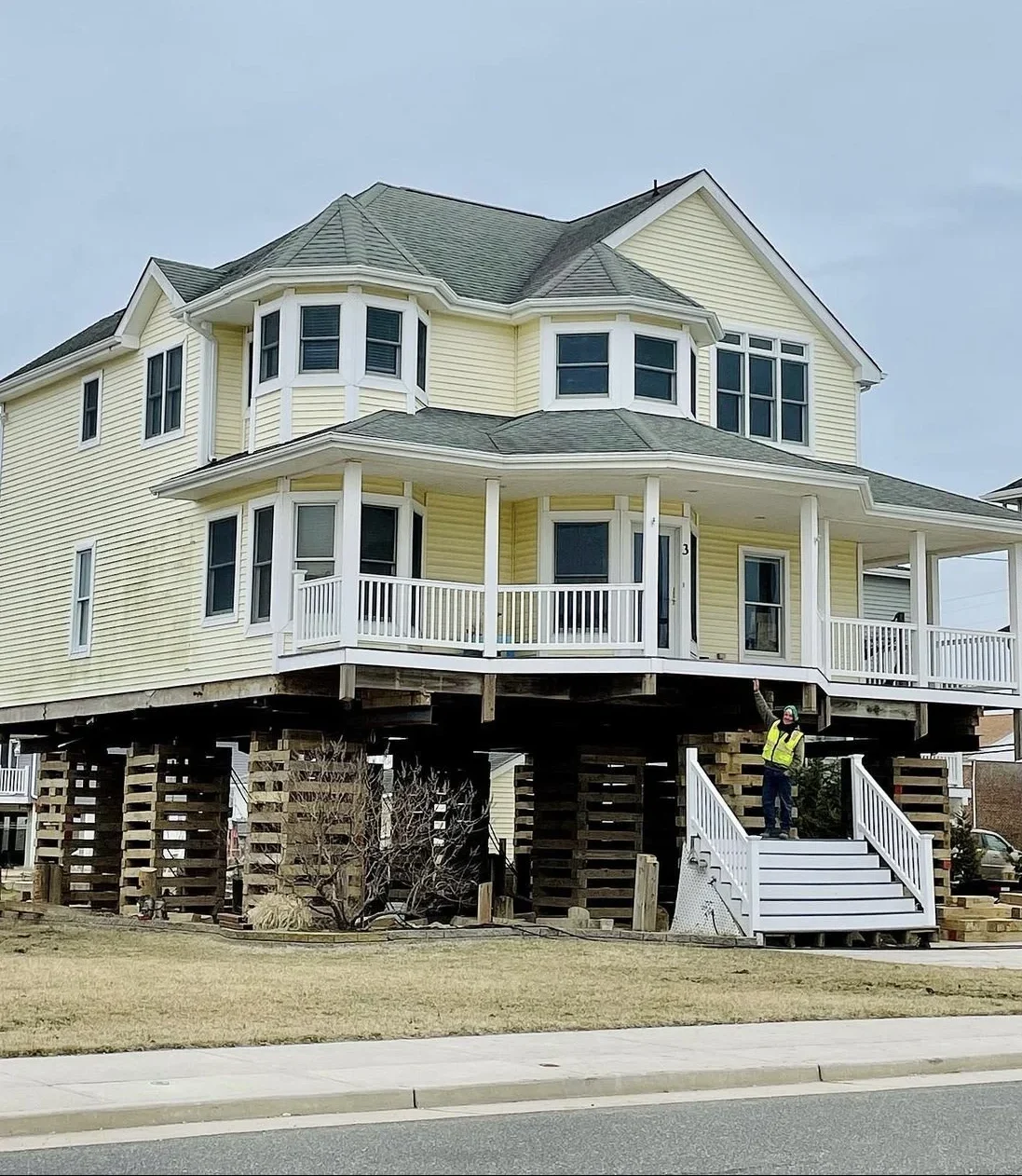
In coastal and low-lying areas, raising site elevation can be necessary to meet floodplain requirements and improve drainage. Communities in places like Sea Isle, Avalon, and Ocean City experience high water tables and flood risks that make added structural fill essential for long-term protection.
Load Distribution
Even when existing soils are acceptable, adding compacted fill can help distribute structural loads more evenly and improve subgrade performance beneath slabs, foundations, and pavements.
Site Grading & Drainage Control
Proper grading is critical to directing water away from structures. Added fill allows for controlled slopes, improved runoff management, and reduced risk of standing water around foundations.
Meeting Design Specifications
Projects often require specific elevations, compaction standards, or bearing capacities. Adding engineered fill ensures the site meets those structural and civil design requirements before vertical construction begins.
Why Fill Replacement Is Especially Critical in Coastal Areas
Coastal environments present unique geotechnical challenges that make fill replacement even more essential.
Soft, Compressible Soils
Coastal regions often contain loose sands, silts, peat, and organic soils that lack the strength required to support structural loads. Without replacement, these soils can compress under weight, leading to settlement issues.
High Water Tables
Saturated soils lose strength and are more prone to movement and erosion, particularly in areas close to oceans, bays, and tidal zones.
Storm Surge & Flood Exposure
Coastal properties are more vulnerable to storm events and flooding. Properly engineered fill improves drainage characteristics and reduces the risk of soil instability during heavy rainfall or storm surge conditions.
Corrosive & Variable Soil Conditions
Salt exposure and fluctuating moisture levels can accelerate soil degradation. Structural fill materials are selected and compacted to perform reliably in these challenging environments.
The Long-Term Value
Whether replacing unsuitable soils or strategically adding engineered fill, proper ground preparation protects the integrity of your structure for decades. Particularly in coastal regions, it can mean the difference between a stable foundation and ongoing structural issues.
When you build on properly engineered ground, you build with confidence.
If your project is located in a coastal or high-water-table area, our team can evaluate site conditions and implement the right ground improvement solution to ensure lasting performance.