
Pile Caps & Pile Capping for Timber Foundations
If your property is supported on timber piles, especially in older buildings, pile caps play a critical role in maintaining structural integrity. Over time, timber piles can deteriorate due to moisture, fungal decay, insect attack, or ground movement. Pile capping is a proven method to restore strength and extend the life of your foundation without the need for complete pile replacement.
What Is a Pile Cap?
A pile cap is a structural element installed at the top of a foundation pile. It distributes loads from the building above evenly into the pile below and, in some cases, ties multiple piles together to improve stability.
In timber pile foundations, pile caps are typically made from:
The cap forms a solid, durable interface between the pile and the structure it supports.
What Is Pile Capping?
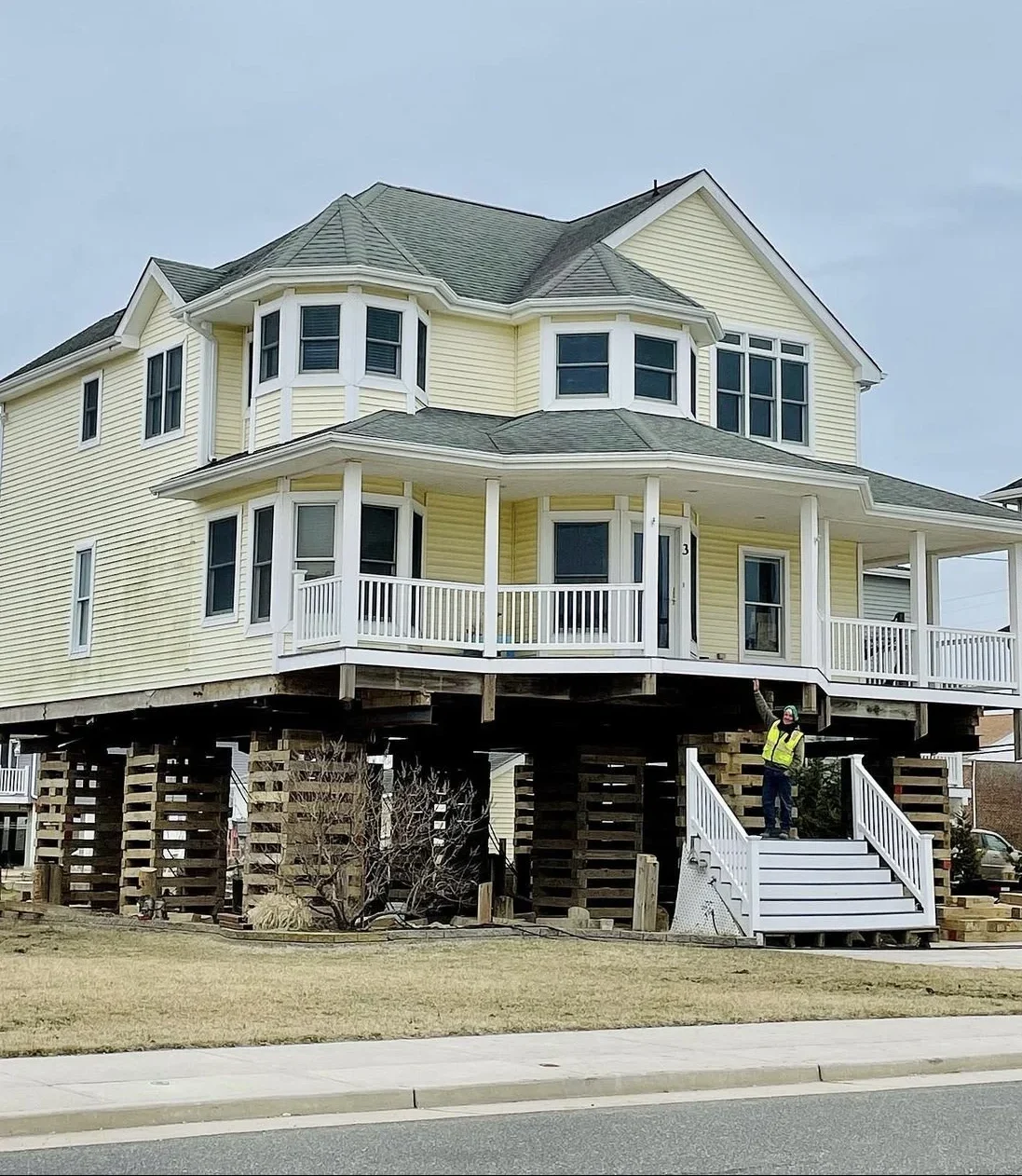
Pile capping is the process of installing a new structural cap onto an existing pile — often after removing decayed or weakened material from the top of the pile.
This technique is commonly used when:
- The top section of a timber pile has rotted
- There is insufficient bearing surface for structural loads
- The connection between pile and bearer has weakened
- Settlement has occurred due to deterioration
Instead of replacing the entire pile (which can be disruptive and costly), capping restores structural capacity at the critical load-transfer point.
Why Pile Capping Is Important for Rotted Timber Piles
Restores Structural Integrity
The top of a pile is where loads from the building are transferred into the ground. If this section is compromised, the load path is weakened. A properly installed cap re-establishes safe load transfer.
Prevents Further Structural Movement
Rotten pile heads can cause uneven settlement, sloping floors, sticking doors, and cracking. Capping stabilizes the foundation and helps prevent progressive damage.
Extends Foundation Lifespan
By removing decayed timber and protecting the pile head, pile capping significantly extends the service life of the foundation.
Cost-Effective Alternative to Full Replacement
Full pile replacement often requires lifting large sections of a structure. Pile capping minimizes disruption while achieving structural compliance.
How Pile Capping Is Done
While every site is unique, the process generally includes the following steps:
1. Assessment & Inspection
A qualified building professional inspects the subfloor area to assess:
- Extent of timber decay
- Structural loading requirements
- Ground conditions
- Accessibility
Moisture sources are identified to prevent future deterioration.
2. Temporary Support (If Required)
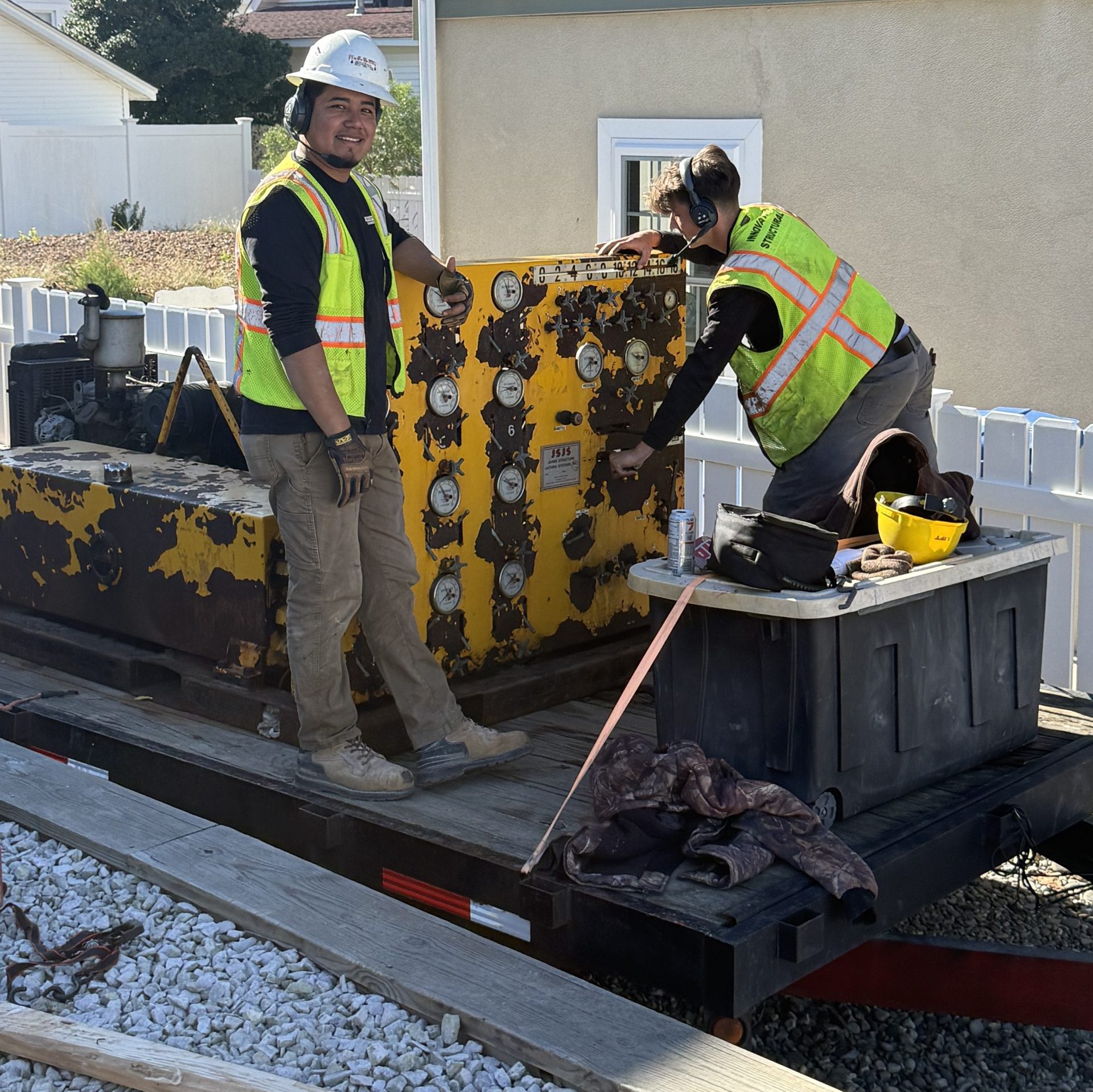
If the pile is significantly compromised, the structure may be temporarily supported using hydraulic jacks or props to relieve load during repairs.
3. Removal of Decayed Timber
The rotten or damaged section at the top of the pile is cut away to reach sound timber.
4. Installation of the Pile Cap
Depending on the repair design:
- A reinforced concrete cap may be formed and poured
- A steel bracket or saddle may be fixed to the sound timber
- Anchor bolts or dowels may be installed for load transfer
The cap is secured to both the pile and the bearer or structural framing above.
5. Re-Leveling & Final Fixing
The building is carefully lowered (if lifted), levels are checked, and all connections are secured in accordance with engineering specifications.
Engineering & Compliance
Professional pile capping is typically carried out in accordance with local building codes and structural engineering guidelines. In many cases, an engineer will design the cap to ensure it meets load and durability requirements.
Proper documentation ensures compliance for insurance, property sale, or future renovations.
Signs You May Need Pile Capping
- Uneven or sloping floors
- Bouncy or soft floor areas
- Cracked interior linings
- Gaps between skirting and flooring
- Visible rot or fungal growth on subfloor timber
- Excessive moisture in the subfloor space
Early intervention can prevent more extensive foundation work later.
Why Choose Professional Pile Capping?
Timber foundation repairs require precision, engineering knowledge, and experience working in confined subfloor spaces. Poorly executed repairs can create uneven load distribution or long-term structural issues.
Our team ensures:
- Accurate structural assessment
- Durable, compliant repairs
- Minimal disruption to your home
- Long-term foundation stability
Protect Your Property from Foundation Failure
Rotted timber piles don’t always mean full foundation replacement. With properly engineered pile caps, your home can regain stability, strength, and longevity.
If you suspect issues with your timber pile foundation, contact us for a professional assessment and tailored repair solution.