
Protecting Your Home from the Ground Up
House lifting is one of the most effective ways to protect, strengthen, and preserve your home — especially in coastal and riverine areas where flooding and storm surge pose serious risks.
Whether required for flood compliance, foundation replacement, or structural repairs, house lifting provides a long-term solution that protects both your investment and your family.
What Is House Lifting?
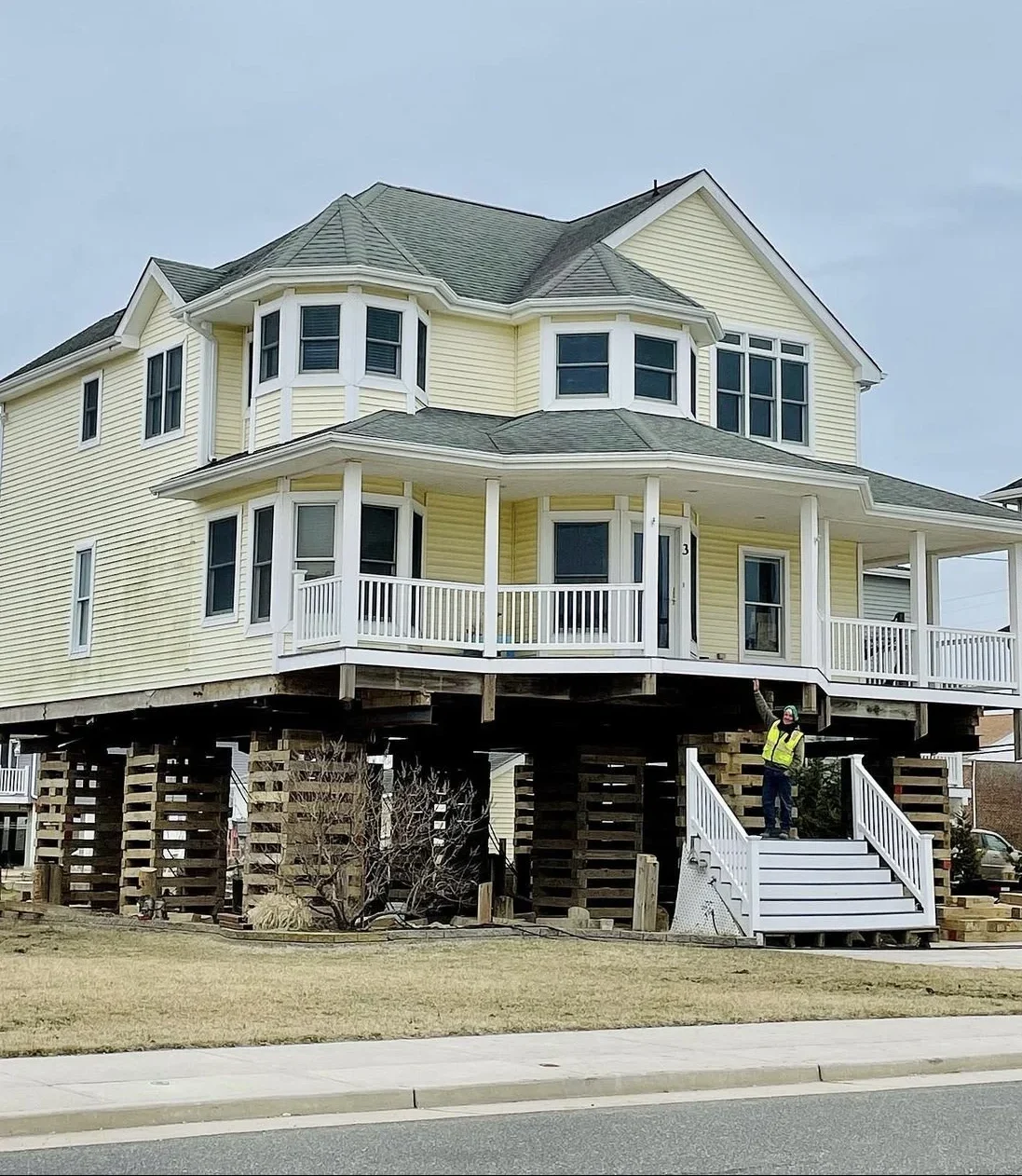
House lifting (also called house raising or home elevation) is the process of carefully separating a structure from its existing foundation and elevating it to a higher, safer level.
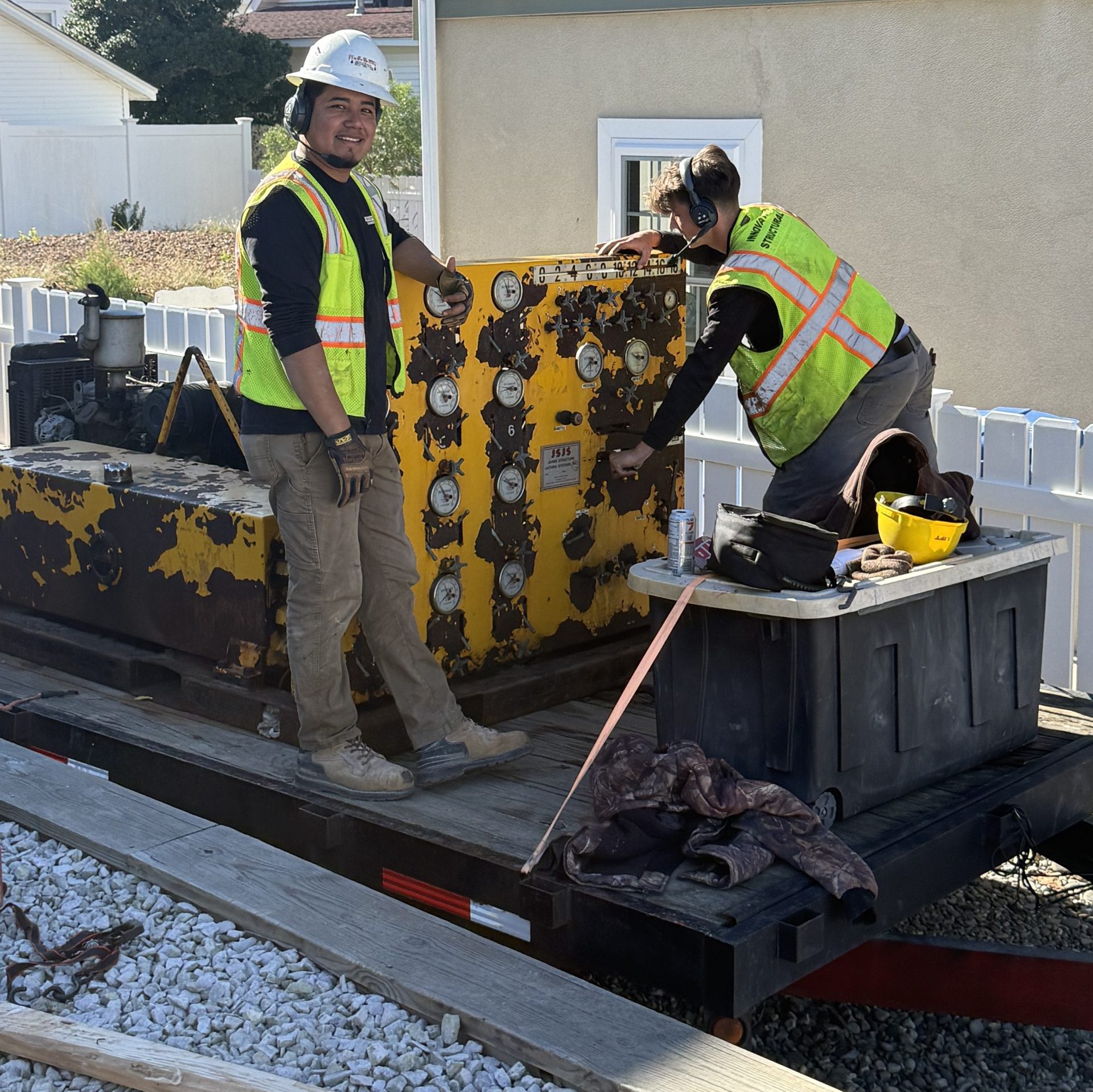
Using a synchronized hydraulic jacking system, the home is raised evenly and safely. Once elevated, we can:
The home is then securely set onto its new support system.
Why Is House Lifting Important?
Flood Protection in Coastal & Riverine Areas
Homes located in coastal and riverine regions are especially vulnerable to:
- Storm surge
- Rising floodwaters
- River overflow
- Tidal flooding
- Changing FEMA flood zone requirements
Elevating your home above base flood elevation significantly reduces flood risk and helps prevent repeated water damage.
In many cases, lifting can also lower flood insurance premiums and bring older homes into compliance with updated flood regulations.
Foundation Replacement & Structural Repairs
Many older homes were built on shallow footings or deteriorating foundations. House lifting allows for:
- Complete foundation replacement
- Installation of modern, code-compliant systems
- Reinforcement of structural framing
- Correction of settlement issues
Instead of demolishing and rebuilding, lifting allows you to preserve the structure while upgrading what supports it.
Protecting Property Value
In flood-prone markets, elevated homes are often more desirable and retain stronger long-term value. Lifting your home can:
- Improve resale value
- Reduce future repair costs
- Increase buyer confidence
- Improve insurability
Expanding Usable Space
Lifting can also create:
- Higher crawlspaces
- Ground-level storage
- Parking areas
- Mechanical system relocation above flood levels
This makes the lower level more functional and compliant.
How the Process Works
While each project is unique, house lifting generally includes:
- Structural Evaluation – Assessing framing, load paths, and lift feasibility
- Permitting & Engineering Coordination
- Utility Disconnection & Site Preparation
- Installation of Steel Beams for Support
- Synchronized Hydraulic Lifting
- New Foundation or Pile Installation
- Lowering and Securing the Home
- Final Structural Connections & Inspection
Safety, precision, and proper load distribution are critical throughout the process.