
In construction, foundations are the structural base of a building. They transfer the weight of the entire structure—walls, floors, roof, occupants, and contents—safely into the ground. A properly designed and built foundation keeps a building stable, level, and protected from movement, moisture, and long-term damage.
What Are Foundations in Construction?
A foundation is typically the first structural element installed on a site after excavation. Its main functions are to:
- Distribute structural loads evenly into the soil
- Prevent settlement or shifting
- Anchor the building against wind, seismic activity, and soil movement
- Provide moisture protection from groundwater
Common Types of Foundations
- Strip (or trench) foundations
Continuous concrete strips supporting load-bearing walls. Common in residential builds. - Raft foundations
A large reinforced concrete slab covering the entire building footprint. Used where soil has lower load-bearing capacity. - Pad foundations
Isolated square or rectangular pads supporting columns or posts.
Pile foundations
Deep foundations that transfer loads to stronger soil layers far below ground level. Often used in large or commercial projects.
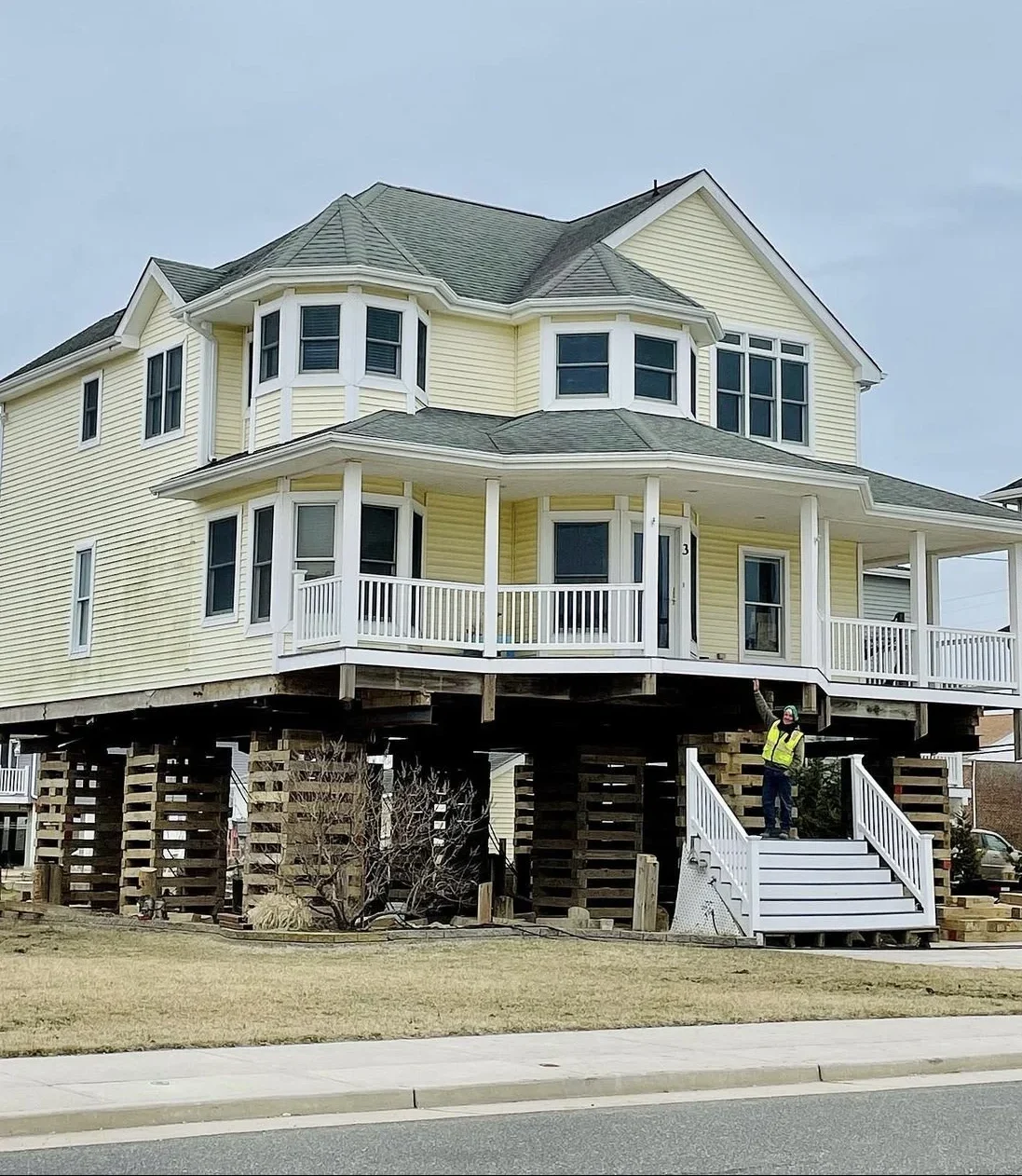
Why Foundations Are So Important
A foundation is critical because:
- It affects the structural integrity of the entire building.
- Poor foundations can cause cracks in walls, uneven floors, sticking doors/windows, and serious structural damage.
- Foundation failure can lead to very expensive repairs—sometimes costing more than the original installation.
- It directly impacts property value and safety.
If the foundation is wrong, everything built on top of it is compromised.
Why It’s Important to Use a Reputable Construction Company
Choosing a reputable construction company for foundation work is essential because:
1. Proper Site Investigation
Reputable companies carry out soil testing and ground assessments before starting. Soil conditions (clay, sand, peat, etc.) greatly affect foundation design.
2. Correct Structural Design
Experienced builders work alongside structural engineers to ensure foundations meet building regulations and are designed for the specific load requirements.
3. Compliance with Regulations
Foundations must comply with local building codes and safety standards. Poor workmanship or shortcuts can lead to failed inspections and legal issues.
4. Quality Materials & Workmanship
Concrete quality, reinforcement placement, curing time, and excavation depth must all be done correctly. Reputable companies follow best practices and industry standards.
5. Insurance & Guarantees
Established companies typically offer:
- Structural warranties
- Insurance-backed guarantees
- Professional indemnity cover
This protects you financially if problems arise.
6. Long-Term Cost Savings
Cheaper, inexperienced contractors may cut corners. Foundation repairs often involve underpinning, excavation, or structural reinforcement—major and disruptive works. Investing in quality from the start prevents these issues.
In Simple Terms
The foundation is literally what your building stands on. If it fails, everything above it is at risk. Using a reputable construction company ensures:
- The building is safe
- The structure lasts decades
- You avoid costly repairs
- Your investment is protected